
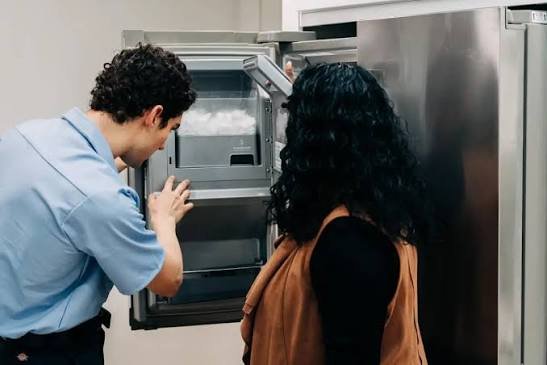
Sydney winters rarely freeze, but they do bring cool, damp air, and many households notice their fridge starts leaking water from June onwards. Puddles under the crisper drawers, water on the floor at the front of the fridge and beads of moisture around the door seals are all common in the cooler, humid months.
This guide focuses on why fridges leak more in winter and what to check. For a full rundown of every leak cause, see our main guide to why a fridge leaks water and how to fix it.
Why Does a Fridge Leak More in Winter? The Short Answer
In winter, Sydney air is often cool but humid. Each time the door opens, moist air enters the cabinet and condenses on the cold surfaces inside. If the defrost drain is partly blocked, the door seal is worn or the drain pan is not evaporating water as quickly, that extra moisture has nowhere to go and ends up inside the fridge or on the floor. A slightly blocked drain that coped in summer can overflow in winter.
Why Sydney Winters Affect Your Fridge
Three seasonal factors combine:
- Higher indoor humidity. Heaters, cooking, drying clothes indoors and closed windows all raise humidity inside the home, so more water vapour gets into the fridge.
- Slower evaporation from the drain pan. The drain pan relies on warmth from the compressor and the room to evaporate defrost water. In a cold kitchen, garage or laundry, water evaporates more slowly and the pan can overflow.
- Colder rooms change how the fridge runs. Fridges in unheated garages or outdoor areas may run less often in winter. Some models struggle when the room is below their rated operating range, which can affect defrost behaviour and moisture control.
Common Signs Your Fridge Is Leaking
- Water pooling under the vegetable or crisper drawers
- Puddles on the floor at the front or underneath the fridge
- Beads of water on shelves or the back wall
- Ice forming at the back of the fridge compartment
- A musty smell or mould around seals
- Water dripping from internal panels
The Main Causes of Winter Fridge Leaks
Blocked defrost drain
Frost-free fridges defrost automatically and send the meltwater through a small drain hole at the back of the fridge compartment. In winter there is more condensation to drain, so a partial blockage from food debris or mould is more likely to overflow. Water then collects under the crisper drawers and spills forward.
Worn or dirty door seals
Cracked, loose or greasy seals let humid air in continuously. That moisture condenses inside the cabinet and adds to the load on the drain. A simple paper test tells you a lot: close the door on a sheet of paper, and if it slides out easily, the seal is not sealing.
Excess condensation from frequent door opening
Winter cooking and school holidays can mean the fridge door opens far more often. Every opening brings in humid air. Keeping door openings short and making sure the door closes fully helps.
Defrost system faults
If the defrost heater, defrost thermostat, sensor or control board fails, ice builds up behind the back panel. When it melts, it can overwhelm the drain all at once. Heavy frost combined with poor cooling usually points to a defrost fault. Our article on a fridge not cooling while the freezer works explains this in more detail.
Cracked or overflowing drain pan
The pan under the fridge collects defrost water. In cold rooms it evaporates slowly and can overflow, and older pans can crack or get knocked out of position when the fridge is moved.
Fridge not level
A fridge that tips forward sends water toward the door instead of the drain. Most fridges should sit slightly higher at the front.
Leak still coming back after the basics? Call Ace Fridge Repairs on 0452 462 556 for a proper diagnosis.
Winter Checks You Can Do at Home
Switch the fridge off at the wall first if water is near the power point or cord.
- Flush the defrost drain hole gently with warm water using a baster or syringe.
- Clean the door seals with warm soapy water and do the paper test.
- Check the fridge is level with a spirit level, front slightly higher than the back.
- Keep door openings brief and make sure nothing stops the door closing fully.
- If the fridge is in a garage or outdoor area, check the manual for its minimum room temperature.
- Look for ice on the back wall, which suggests a defrost fault rather than a simple blockage.
Anything involving internal panels, heaters, wiring or the sealed refrigeration system should be left to a qualified technician.
Can a Leaking Fridge Cause Serious Damage?
Yes. Ongoing leaks can swell timber and laminate floors, stain carpet, encourage mould behind the fridge and, in the worst cases, reach electrical components. A leak caused by a defrost fault can also lead to poor cooling and food spoilage.
Winter Fridge Leak Repairs Across Sydney
Ace Fridge Repairs repairs household fridges, commercial display fridges, freezers and coolrooms across Greater Sydney from our base at 93B Pagoda Crescent, Quakers Hill NSW 2763. We work on most major brands, including Fisher and Paykel, Westinghouse, LG, Electrolux, Kelvinator, Hisense, Bosch, Mitsubishi Electric and Haier. See all the brands we repair and the suburbs we service.
Repairs are backed by a 12-month warranty on parts and labour. For home fridge repairs or commercial refrigeration repairs, call 0452 462 556, 24/7.
Frequently Asked Questions
Can cold winter weather cause a fridge to leak?
Yes. Cool, humid winter air increases condensation inside the fridge and slows evaporation from the drain pan. A partly blocked drain or worn seal that coped in summer can start leaking in winter.
Why is there water under my crisper drawers in winter?
Water under the crisper drawers usually means the defrost drain is blocked or partly frozen. Flushing it with warm water often fixes it. If it keeps coming back, the defrost system should be checked.
Is it OK to keep a fridge in the garage over winter?
Many fridges are rated for a minimum room temperature. Below that range they may not run or defrost properly. Check your manual, and consider moving the fridge indoors if the garage gets very cold.
Should I repair or replace a fridge that leaks in winter?
Most winter leaks come from a blocked drain, door seal, drain pan or defrost component, which are usually worth repairing rather than replacing the fridge.